

India-US Trade Talks: Deputy Ambassador Switzer Lands in New Delhi
High-level discussions begin as India and US work to finalize bilateral trade agreement, aiming for major growth in commerce by 2030.
image for illustrative purpose
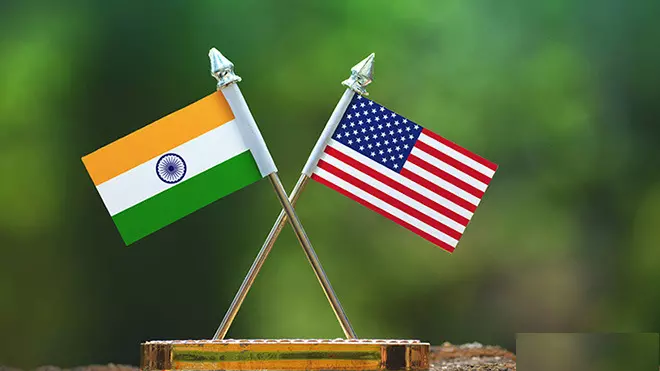
In an attempt to accelerate the present trade negotiations and to carry on the talks, the United States is about to send Deputy Trade Ambassador Rick Switzer to India for a two-day stay. The discussments, slated for the 10th and 11th of December, will be part of a much larger movement to settle down an awaited Bilateral Trade Agreement (BTA) between the two countries.
The ministry of external affairs characterizedthe journey mostly as a supportive and helpful mission. At a press briefing on Monday, MEA spokesman Randhir Jaiswal said, “Ambassador Switzer will be in touch with senior Indian officials to engage in trade discussions further.” The discussions were held after a series of negotiations intended to enhance trade relations among various sectors, which lasted for months.
The governments of both the nations have made it very clear that they want a trade deal which would be advantageous to both sides. The negotiations, by now, have taken place in several rounds already. At the Annual General Meeting of FICCI on November 28, Indian Commerce Secretary Sunil Agarwal said that both sides are quite optimistic and thus, they might conclude the agreement by the end of the year. “We are looking forward to a solution getting finalized by the end of this calendar year,” Agarwal expressed.
Nevertheless, the schedule has undergone changes due to certain factors, one of which is the shifting of the U.S. trade policy that has rendered the recent imposition of certain tariffs on Indian goods. The tariffs have created some obstacles, yet the interaction between the two countries has not been cut off.
The past tariff measures of the US, which were initially imposed during the tenure of Donald Trump, are still a matter on which much consideration is given. The US introduced 25% tariffs on Indian goods starting from August 2021 and subsequently raised them citing India’s ongoing imports of Russian oil as a major concern. These tariffs were a part of a broader reciprocal trade policy that aimed at countries with significant trade surpluses.
Nevertheless, India and the United States are still negotiating a deal that would significantly enhance their trade relations. The agreement, if made, intends to raise the trade volume from the present USD 191 billion to a daring USD 500 billion by the year 2030.
The process leading to this agreement was first broached when Prime Minister Narendra Modi visited Washington and held discussions there in the beginning of this year. Both parties want to make the deal official as part of a greater plan to reinforce not only economic but also strategic relations.
Additionally, India has been trading and making agreements with other countries. The country has already made 14 FTAs and 6 PTAs, and it is continuously negotiating more FTAs with the major global partners, such as the European Union.
The first conversation with Deputy Trade Ambassador Switzer is going to be very critical for BTA's first phase. Disputes over tariffs and sectoral commitments are the major ones that need to be addressed for the target set for the end of the year to be met and for the growth in trade over the coming decade to be realized.





